
Bukit Kasih: Stone Faces & Volcanic Wonders Near Manado, Sulawesi
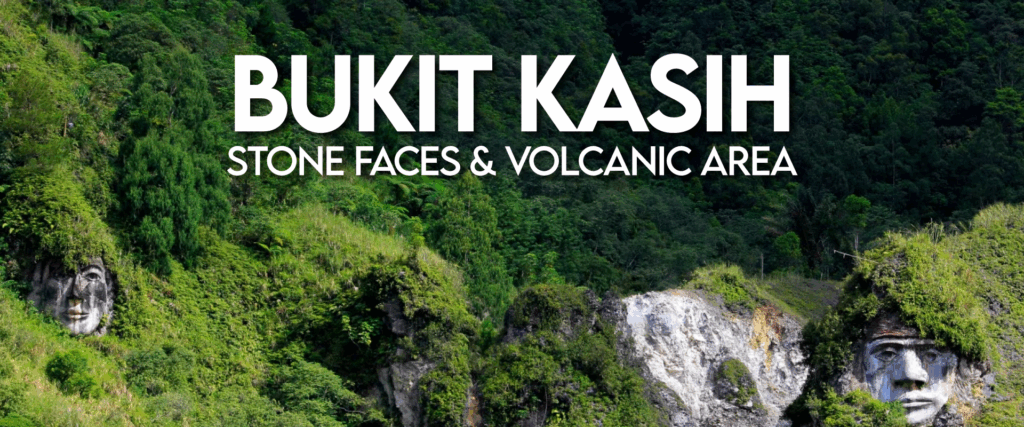
Tucked away in the highlands of North Sulawesi, about 55 km from Manado, lies a surreal destination where spirituality, culture, and volcanic power come together in a dramatic landscape. Welcome to Bukit Kasih, or “Hill of Love” — a place where stone-carved faces gaze out from steaming cliffs, and multiple religious symbols stand side by side in peaceful harmony.
Whether you’re chasing volcanic wonders, interested in religious heritage, or just in search of a truly unique day trip, Bukit Kasih is a must-visit hidden gem in Indonesia’s lesser-known Sulawesi region.
📍 Where Is Bukit Kasih?
Bukit Kasih is located in Kanonang Village, Minahasa Highlands, about a 1.5–2 hour drive from Manado. The road trip itself is scenic, winding through lush hills, vegetable farms, and cool mountain air — a refreshing escape from the coastal heat.
🌋 What Makes Bukit Kasih Unique?
1. Stone Carvings of Tribal Ancestors
Massive faces — chiseled directly into the rocky cliffs — represent Minahasan ancestors and tribal leaders. They loom over the landscape, watching in silence, and evoke a mysterious, almost Easter Island–like vibe.
2. Geothermal Activity
Sulfur vents hiss, hot steam billows from the ground, and the scent of minerals fills the air. You’ll find natural hot springs, bubbling pools, and mineral-streaked rocks — proof that the Earth is alive beneath your feet.
3. The Hill of Harmony
Bukit Kasih is more than a natural wonder — it’s a symbol of religious unity. Scattered along the hillside are places of worship for five major religions in Indonesia: a Christian church, a Catholic chapel, a mosque, a Hindu temple, and a Buddhist stupa. All are built within walking distance of one another — a powerful representation of tolerance and peace.
🥾 What to Expect
- Climbing required: There are over 2,000 steep steps leading to the upper hilltop cross — a physical challenge, but rewarding views await.
- Steamy terrain: The sulfur vents are hot and active — avoid walking too close to them.
- Weather: The area is cool and misty, especially in the morning, with possible rain showers.
📸 Photo-Worthy Highlights
- Stone-carved faces against misty cliffs
- The towering white cross at the summit
- Volcanic steam clouds rising from the ground
- Colorful religious monuments nestled in the hills
- Sunrise or sunset view from the top (if weather allows)
🙏 Local Culture & Meaning
“Bukit Kasih” means “Hill of Love” — and it was intentionally created to promote interfaith harmony among Indonesia’s diverse religious communities. The site encourages reflection, respect, and unity, making it not just a tourist stop, but a place of deeper spiritual significance.
🧳 What to Bring
- Comfortable walking shoes or hiking sandals
- Light jacket (can get chilly and damp)
- Water & snacks
- Camera or drone for aerial views
- Cash for parking or small donations
- Respectful attire for visiting sacred sites
💡 Tips Before You Go
- Avoid midday — mornings and late afternoons are cooler and more scenic.
- Be mindful of slippery paths, especially after rain.
- There are small local stalls at the base selling snacks and warm drinks.
- If you’re not up for the climb, you can still enjoy the geothermal area and lower monuments.
🗺️ Combine With Nearby Attractions
- Linow Lake – A colorful volcanic lake nearby, famous for its changing hues.
- Tomohon Market – A traditional market with exotic (and sometimes shocking) offerings.
- Mount Lokon – A hikeable active volcano for those seeking more adventure.
✨ Final Thoughts
Bukit Kasih is more than a place — it’s a symbol, carved into the mountains and etched into the soul of Sulawesi. It’s where the earth breathes through steam vents, and where people of all faiths can stand together on sacred ground.
If you’re visiting North Sulawesi, don’t miss this one-of-a-kind destination. It’s weird, wonderful, spiritual, and unforgettable — the kind of place that stays with you long after the mist fades.
