
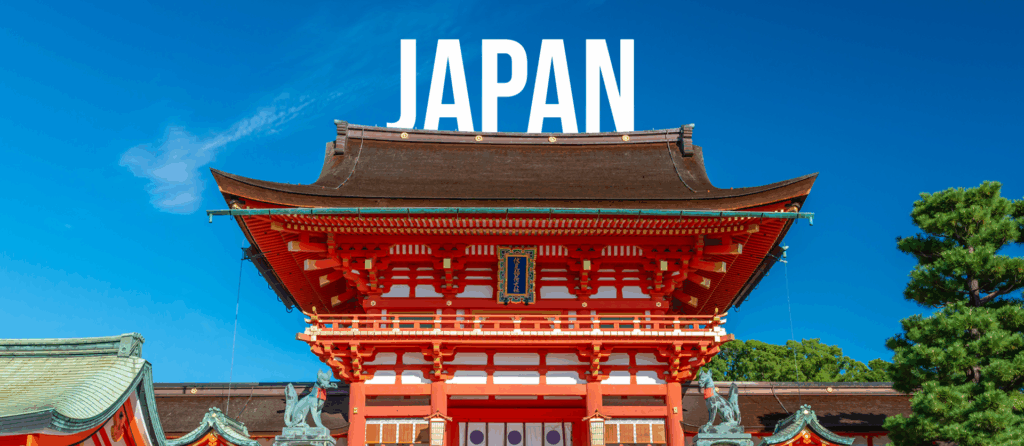
From the serenity of moss-covered forests to the vibrant red gates that seem to stretch into infinity, Japan’s shrines and temples are more than places of worship — they are gateways into the soul of the country.
Whether you’re seeking spiritual insight, cultural immersion, or just the perfect photo op, these 13 traditional temples and shrines offer something unforgettable. Ready to bow respectfully and step into centuries of history?
1. Fushimi Inari Taisha (Kyoto)
Famous for: Thousands of vermillion torii gates
Walk the iconic trail of crimson gates winding up Mount Inari. This Shinto shrine is dedicated to the god of rice and business, and it’s one of Japan’s most photogenic locations.
Tip: Go early morning or late evening to avoid crowds and catch the gates glowing in the soft light.
2. Senso-ji Temple (Tokyo)
Famous for: Tokyo’s oldest Buddhist temple
Located in Asakusa, this colorful temple complex buzzes with energy. From the giant red Kaminarimon Gate to the bustling Nakamise shopping street, it’s a must-see.
Don’t forget to draw an omikuji (fortune slip) — and tie it if it’s bad luck!
3. Itsukushima Shrine (Miyajima)
Famous for: The “floating” torii gate
This stunning shrine seems to float during high tide. Set on the island of Miyajima, it’s one of Japan’s most iconic views.
Bonus: Hike up Mount Misen for sweeping sea views and wild deer encounters.
4. Kinkaku-ji (Kyoto)
Famous for: The Golden Pavilion
A Zen temple literally covered in gold leaf — yes, it’s as magical as it sounds. Set beside a serene pond with perfect reflections, this is Kyoto at its most luxurious.
5. Meiji Jingu Shrine (Tokyo)
Famous for: A tranquil escape in the heart of the city
Nestled in a forest near Harajuku, Meiji Shrine offers peaceful paths, towering torii gates, and barrels of sake lined up as offerings. It’s Tokyo’s green heart.
6. Todai-ji Temple (Nara)
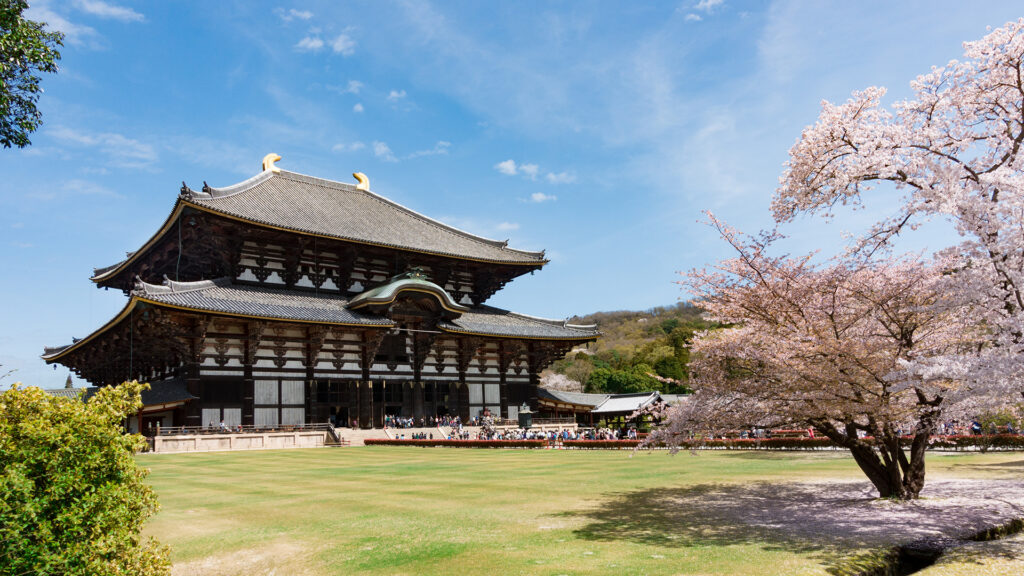
Famous for: The Great Buddha (Daibutsu)
Step into history with the world’s largest bronze Buddha inside the world’s largest wooden building. And yes — the deer roaming the grounds are adorable and slightly mischievous.
7. Ryoan-ji Temple (Kyoto)
Famous for: The zen rock garden
This is minimalism at its best. The 15 stones in this famous garden are arranged so that you can never see all of them at once. It’s a place for quiet reflection.
8. Nikko Toshogu Shrine (Nikko)
Famous for: Lavish carvings and ornate design
Dedicated to Tokugawa Ieyasu, this shrine complex is a UNESCO World Heritage Site and bursts with vibrant color, gold leaf, and mythical creatures.
9. Kiyomizu-dera Temple (Kyoto)
Famous for: Sweeping views of Kyoto
Built without nails, this wooden temple juts out dramatically over a hillside. In spring and fall, the views are straight out of a painting.
10. Horyu-ji Temple (Nara)
Famous for: The world’s oldest wooden structures
Dating back to the 7th century, Horyu-ji is a Buddhist time capsule, rich with art, history, and a powerful sense of peace.
11. Tsurugaoka Hachimangu Shrine (Kamakura)
Famous for: Samurai history and seasonal beauty
Just an hour from Tokyo, this shrine is steeped in warrior spirit and surrounded by cherry blossoms in spring and fiery maple leaves in fall.
12. Ginkaku-ji (Kyoto)
Famous for: The Silver Pavilion (which isn’t actually silver)
This Zen temple is all about subtle elegance, moss gardens, and sand sculptures that reflect moonlight. Think of it as Kinkaku-ji’s more meditative sibling.
13. Zenkō-ji Temple (Nagano)
Famous for: Pilgrimage destination and hidden Buddha
Home to one of Japan’s oldest Buddhist statues, Zenkō-ji welcomes everyone, regardless of faith. Walk the pitch-black underground passage to symbolically find enlightenment.

🌸 Bonus: Tips for Visiting Temples & Shrines in Japan
- Respect rituals: Bow, cleanse your hands at the temizuya, and be mindful of quiet areas.
- Remove shoes when entering temple halls.
- Photography: Usually OK outside, but check signs for interior rules.
- Donation boxes are optional, but appreciated.
- Dress modestly if you’re entering sacred spaces.
Final Thoughts
From grand golden pavilions to peaceful zen gardens, Japan’s shrines and temples are more than just photo ops — they’re living testaments to a culture that balances beauty, tradition, and spirituality.
Whether you’re temple-hopping in Kyoto or stumbling upon a tiny shrine on a Tokyo side street, these sacred spaces offer moments of quiet, connection, and awe.
So next time you’re in Japan — slow down, light an incense stick, ring a bell, and let the stillness speak.
